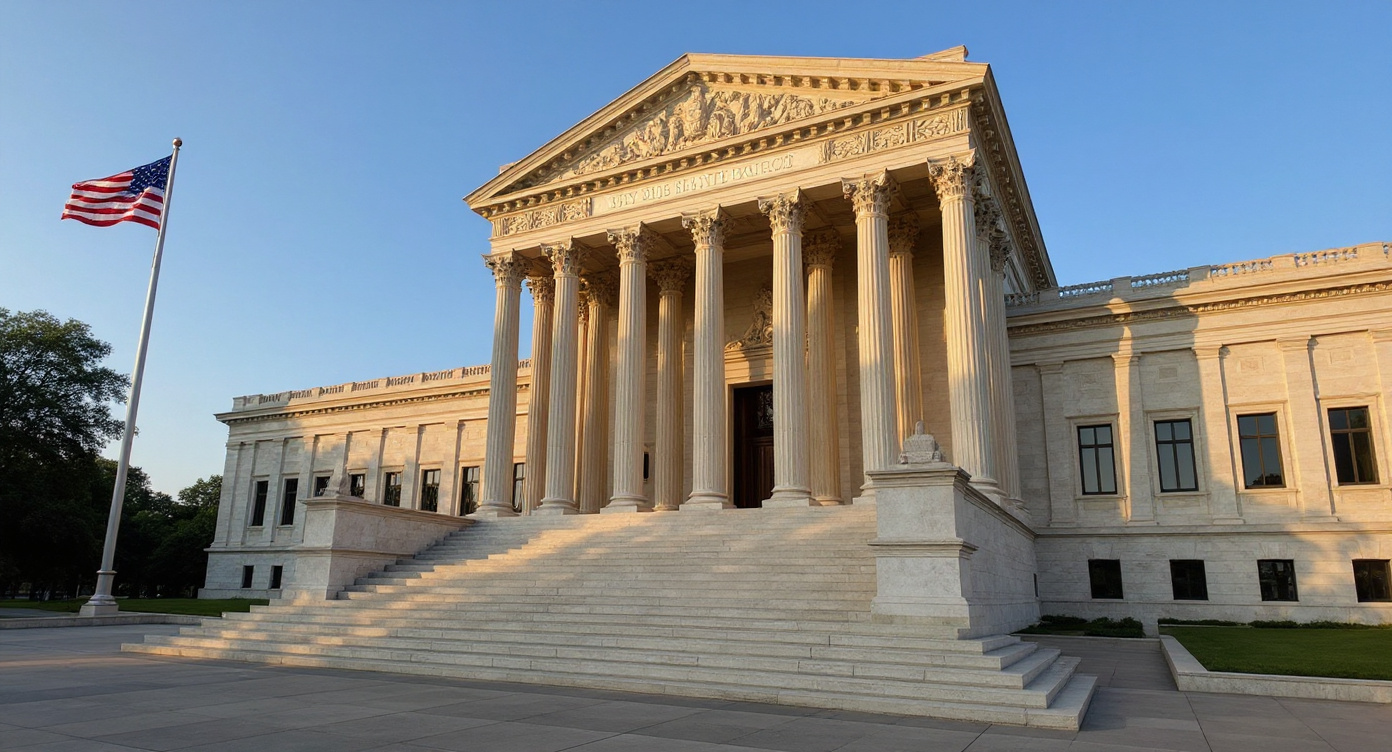
Within minutes of the Supreme Court releasing its 6-3 opinion in Trump v. Barbara on Tuesday morning, three Republican senators had already issued public calls for a constitutional amendment. Not a statement of disappointment. Not a pledge to "review options." A constitutional amendment — the most difficult legislative maneuver in American government.
That's how fast the GOP moved from Plan A to Plan B.
Chief Justice John Roberts wrote the majority opinion striking down Executive Order 14160, titled "Protecting the Meaning and Value of American Citizenship," which had sought to deny automatic citizenship to children born on U.S. soil to parents who are unlawfully or temporarily present. Roberts concluded that "children born of parents unlawfully or temporarily present in the United States satisfy both elements of the Citizenship Clause" and that "under the Constitution, they are citizens at birth." He rejected the administration's argument that citizenship hinged on whether a child owed "primary allegiance" to the United States based on "domicile," writing there is "scant evidence" for that reading of the 14th Amendment.
Justice Clarence Thomas dissented, joined by Justice Neil Gorsuch. Justice Samuel Alito filed a separate dissent. Justice Brett Kavanaugh wrote an opinion concurring in the judgment but dissenting in part — a split that tells you even the conservative justices who sided with the outcome weren't fully comfortable with how the majority got there. Justice Ketanji Brown Jackson wrote a concurrence joined in part by Justice Sonia Sotomayor.
So: six justices said the executive order was unconstitutional. Three said it wasn't. The legal question, for now, is settled.
The political question is just getting started.
Sen. Eric Schmitt of Missouri didn't mince words. "The Supreme Court's birthright citizenship decision is wrong, dangerous, and disastrous for American sovereignty and the American people," he wrote, announcing plans to introduce a constitutional amendment to restore what he called the original understanding of American citizenship. Sens. Rand Paul of Kentucky and Mike Lee of Utah released their own calls for an amendment within the same window.
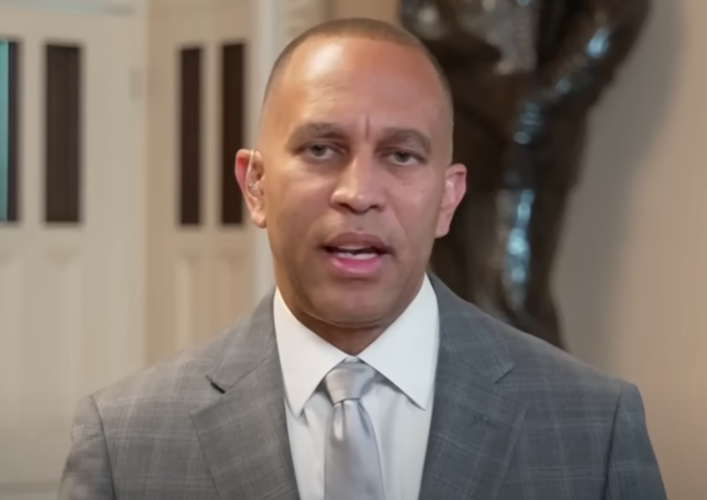
House Speaker Mike Johnson said he was "very disappointed" and acknowledged the ruling reflects a textualist and originalist reading — which is the polite way of saying Roberts used their own methodology against them. Johnson argued that birthright citizenship "has been grossly abused in recent years," pointing specifically to "birthing tourism" as "a trend where people come and you just come on to the soil and have your child and then they're able to avail themselves of the welfare state."
None of this came from nowhere. Rep. Nancy Mace of South Carolina had already introduced a joint resolution proposing a constitutional amendment to clarify that a person born in the United States is only "subject to the jurisdiction" of the United States — and therefore eligible for citizenship — if at least one parent is a U.S. citizen, a U.S. national, or a lawful permanent resident. Paul had been pushing similar language since cosponsoring the Birthright Citizenship Act back in 2011. The legislative track was already laid before Roberts picked up his pen.
There's also H.R. 569, the Birthright Citizenship Act of 2025, which currently has 87 Republican co-sponsors in the House and a companion measure with 8 GOP co-sponsors in the Senate. That bill attempts to redefine "subject to the jurisdiction" through statute rather than amendment — a path that just got considerably harder after the Court said the 14th Amendment means what most people already thought it meant.
Here's the math that matters: a constitutional amendment requires two-thirds of both the House and Senate, then ratification by three-fourths of state legislatures. Republicans don't have those numbers. They're not particularly close to those numbers. Johnson himself acknowledged the "significant obstacles" to ratification.
But the amendment push isn't really about passing an amendment tomorrow. It's about framing the 2026 midterms around a question that polls well with the base: should someone who crossed the border illegally be able to give birth to an American citizen? The Court said the Constitution says yes. Republicans are now asking voters whether the Constitution should say something different.
As reported by Just the News, the GOP response was immediate and coordinated — amendment language from the Senate, legislative alternatives from the House, and talking points from leadership, all within hours of the ruling.
Roberts wrote that if Congress "intended to limit American citizenship to the children of those domiciled in the United States, nothing in the succinct language of the Citizenship Clause conveyed that design." He's right about the text. The question Republicans are now posing is whether the text should change.
Amending the Constitution has happened exactly 27 times in 237 years. The last successful one — the 27th Amendment, on congressional pay — took 202 years to ratify. The one before that was in 1971.
Those aren't odds. Those are history.