Iran’s negotiating team just sat across the table from JD Vance and Steve Witkoff for twenty-one straight hours in Islamabad — the longest diplomatic session of the entire conflict — and somehow managed to walk away with nothing. Not a deal, not a framework, not even a gentleman’s agreement to keep talking. They had every opportunity to end this thing, and they chose “nah, we’d rather keep our nuclear program.”
Brilliant strategy, fellas. Really top-shelf diplomacy there.
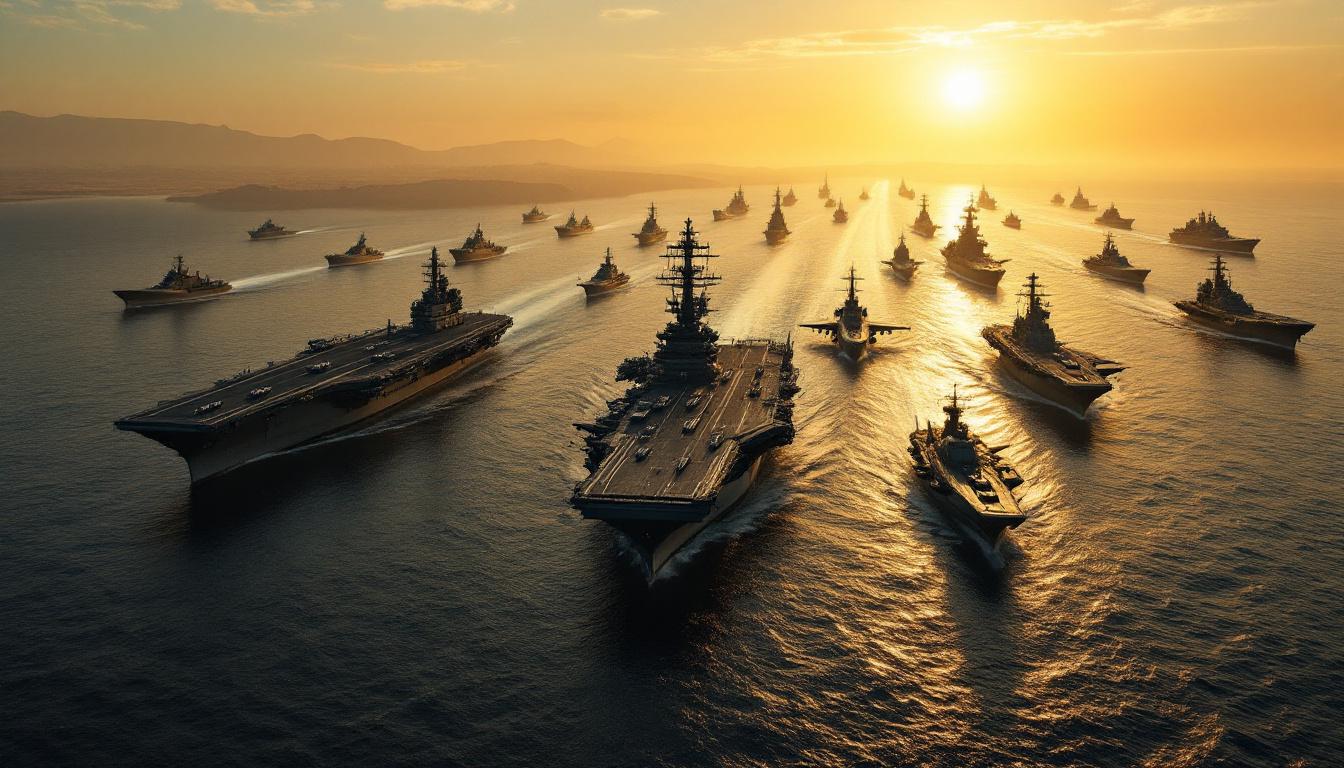
So what did Trump do the moment the talks collapsed? He ordered a full naval blockade of the Strait of Hormuz, effective Monday morning at 10 a.m. Eastern. Not a partial blockade. Not a “freedom of navigation exercise.” The whole thing. Every ship going in or out of the Persian Gulf now has to get past the United States Navy first.
For those of you keeping score at home, Iran’s entire economy runs on oil exports that flow through that strait. Trump just put a padlock on their cash register.
The details of how the talks fell apart are almost comical. Vance and Witkoff reportedly offered Iran a path to sanctions relief, economic normalization, and a seat back at the international table. All Iran had to do was agree to verifiable limits on their nuclear enrichment program. That’s it. Stop building the bomb, and we’ll stop strangling your economy.
Iran’s response? They wanted to keep enriching uranium AND get sanctions lifted AND get the U.S. military out of the Middle East AND receive compensation for war damages. Oh, and they wanted all of this in writing before they’d agree to any inspections.
(Sure, guys. And while we’re at it, would you also like a pony?)
Trump went on Truth Social about an hour after the talks broke down and posted what might be the most direct statement any president has ever made about a foreign adversary: “Iran had its chance. They chose poorly. The United States military is fully prepared to finish this if necessary.”
No hedging. No “we remain committed to a diplomatic solution.” No State Department word salad about “continued engagement.” Just: you blew it, and now you deal with the Navy.
The media reaction has been predictably hysterical. CNN is running wall-to-wall coverage about how a naval blockade is “an act of war” — as if Iran closing the strait first and attacking commercial shipping for weeks wasn’t an act of war. MSNBC hauled out three retired admirals to explain why this is “dangerously escalatory,” which is what they say every single time Trump does anything more aggressive than sending a strongly worded letter.
Meanwhile, oil jumped back above $100 a barrel on the blockade news, and Asian markets dipped overnight. Democrats are already blaming Trump for gas prices, because of course they are. These are the same people who spent four years killing domestic energy production, canceling pipelines, and begging OPEC to pump more oil. Now they’re concerned about energy costs? Please.
Here’s what the media won’t tell you: a naval blockade is the single most powerful non-kinetic tool in the American arsenal. We’re not dropping bombs. We’re not invading. We’re just… sitting there. With aircraft carriers. And destroyers. And submarines. And telling Iran that nothing moves until they come back to the table with a serious offer.
Trump is playing this exactly right. He gave Iran the diplomatic off-ramp. He sent his VP to sit in a room for almost a full day. He offered real concessions. And when Iran acted like they were negotiating with Obama — demanding everything and offering nothing — he showed them what negotiating with Trump actually looks like.
The blockade starts Monday morning. The clock is ticking. And something tells me Iran’s negotiating position is going to look a whole lot different when their oil tankers are sitting dead in the water with nowhere to go.
We’ll see how long their “we want to keep our nukes” strategy holds up when the money stops flowing.