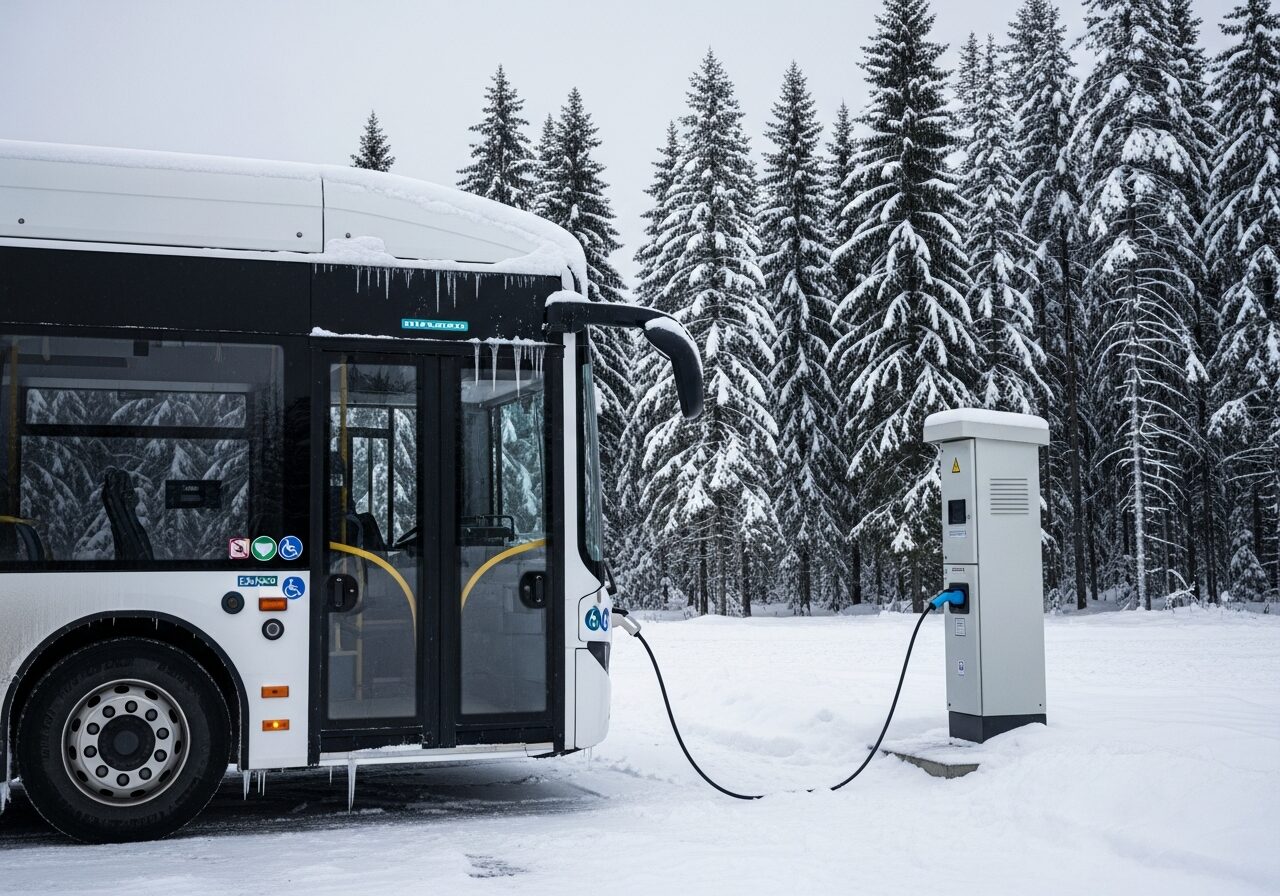
Folks, let me tell you a story about a colossal mistake that can teach us all a lesson about the importance of common sense and the perils of blind faith in untested solutions. The state of Vermont, always eager to lead the charge in a progressive agenda, decided to invest millions in electric buses. They wanted to show the world their commitment to green energy and a cleaner future. But there’s a catch—they forgot to check if these shiny new buses would actually work in Vermont’s famously chilly weather.
You see, Vermont, like much of New England, experiences winter—a season known for its biting cold and frequent snowstorms. Yet, someone thought it was a great idea to bring in electric buses that need temperatures above 41 degrees to charge. In Vermont, that’s a tall order for much of the year. So, these buses spend their days sitting around, gathering snow instead of passengers. This is what happens when you prioritize ideology over practicality.
As Larry Behrens from Power the Future points out, this is more than just a simple mistake—it’s a breach of trust. Taxpayers handed over $8 million expecting a reliable solution for public transportation. Instead, they received vehicles that can’t handle the local climate. This isn’t just a misstep; it’s a glaring example of what happens when government rushes to meet green mandates without asking the right questions.
But let’s not just point fingers at Vermont. This issue is a microcosm of a much larger problem. Across the nation, we see similar stories unfold. Politicians eager to earn praise for their environmental efforts leap into costly projects without adequate research or foresight. They sacrifice practical, reliable solutions on the altar of political correctness and end up with expensive failures.
What we need, my friends, is a return to common sense. The federal government, which provides funding for these kinds of projects, should demand rigorous testing and proof of viability before handing over taxpayer dollars. States should be held accountable for ensuring that the solutions they invest in are suitable for their specific environments.
And let’s talk about accountability. It’s time for politicians and bureaucrats to face consequences when they squander taxpayer money on projects that fail. We, the people, deserve better than to see our hard-earned money spent on pipe dreams that crumble at the first sign of winter.
Now, let’s consider the alternative: diesel buses. They may not be as glamorous in the eyes of the green movement, but they work. They get the job done, even in the coldest of conditions. In fact, while Vermont’s electric buses sit idle, the diesel buses keep running, just like Bernie Sanders’ private jet. It’s a sobering reminder that sometimes the tried-and-true methods are the best.
This story should serve as a wake-up call for all of us. We must demand practical solutions that respect both our environment and our economy. Let’s advocate for energy solutions that are sustainable, affordable, and, most importantly, effective. We need leaders who are wise enough to balance innovation with reality.
In the end, we must remember that government works best when it sticks to its enumerated powers and allows individuals and states to make decisions that best suit their own needs. Let’s encourage our leaders to embrace innovation but with a healthy dose of common sense. That’s how we will truly move forward—by learning from past mistakes and ensuring they are not repeated.